5 Signs Your Website is Hurting Your Marketing ROI (And How to Fix It)


Your marketing campaigns are driving traffic, your content strategy is on point, and your social media engagement is through the roof. Yet somehow, your ROI remains stubbornly low. Before you blame your advertising spend or pivot your entire strategy, take a hard look at your website. More often than not, it’s the silent saboteur destroying months of marketing efforts in seconds.
After optimizing hundreds of websites for clients across various industries, we’ve identified five critical warning signs that separate high-converting sites from digital dead ends. Here’s how to spot them—and more importantly, fix them.
1. Your Page Load Speed is Killing Conversions Before They Start
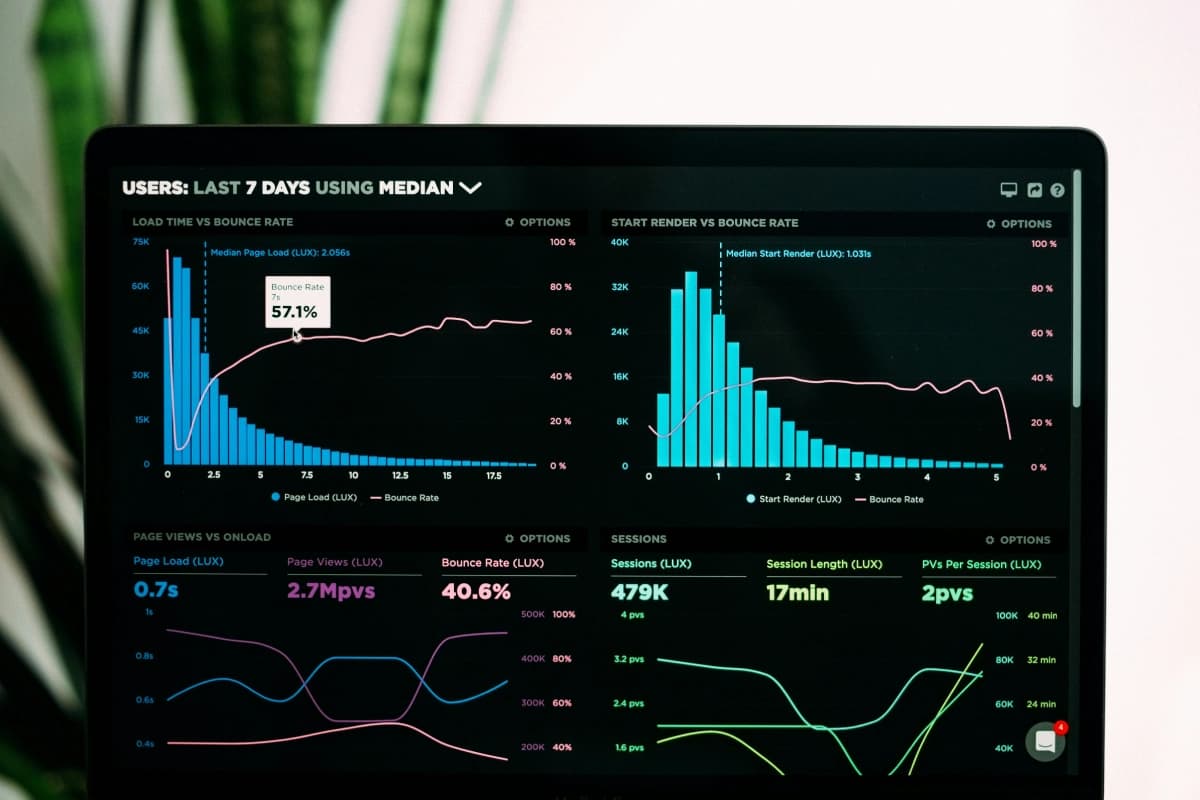
Every second counts in digital marketing, literally. Google’s research shows that 53% of mobile users abandon sites that take longer than three seconds to load. If your website takes five seconds to load, you’re hemorrhaging potential customers faster than you can acquire them through paid ads.
The fix isn’t just about faster hosting—it’s about modern architecture. Traditional WordPress sites with heavy themes and numerous plugins create bloated code that cripples performance. This is where headless WordPress combined with Next.js becomes a game-changer. By separating your content management from your frontend delivery, you can achieve sub-second load times that actually complement your marketing investments rather than waste them.
Start by auditing your Core Web Vitals in Google PageSpeed Insights. If your Largest Contentful Paint exceeds 2.5 seconds or your Cumulative Layout Shift is above 0.1, you’re actively damaging your marketing ROI with every campaign you run.
2. Mobile Experience Disasters Are Destroying Half Your Traffic
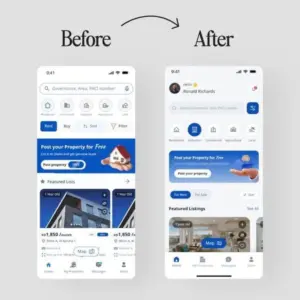
Mobile traffic accounts for over 60% of web browsing, yet countless websites still treat mobile as an afterthought. We regularly see clients spending thousands on Instagram and Facebook ads, driving mobile users to desktop-optimized sites that are impossible to navigate on smartphones.
The symptoms are obvious once you know where to look: high bounce rates on mobile traffic, low mobile conversion rates compared to desktop, and users dropping off at form submissions. Your mobile-first approach shouldn’t just be responsive—it should be performant, intuitive, and conversion-optimized.
Test your site on actual devices, not just browser dev tools. Pay attention to touch targets, form fields, and checkout processes. If users need to pinch and zoom to interact with your call-to-action buttons, you’re essentially burning your advertising budget.
3. Your Conversion Funnel Has More Leaks Than a Broken Pipeline
Traffic is vanity, conversions are sanity. Many marketers focus obsessively on driving traffic while ignoring what happens after users land on their site. Your conversion funnel analysis reveals the brutal truth about your website’s performance.
Set up proper goal tracking in Google Analytics 4 and examine your conversion paths. Where are users dropping off? Is it during product selection, at the contact form, or during checkout? Each abandoned session represents wasted marketing spend and lost revenue.
Common conversion killers include: confusing navigation structures, lack of clear value propositions above the fold, insufficient trust signals, and friction-heavy forms. The solution involves strategic UX improvements backed by A/B testing. Sometimes, simplifying a form from eight fields to three can double your conversion rate overnight.
4. Your Website Lacks Strategic Alignment with Marketing Campaigns
Driving Facebook ad traffic to your generic homepage is marketing malpractice. Your website should create seamless, contextual experiences that continue the conversation started in your campaigns. When there’s a disconnect between ad messaging and landing page experience, users bounce immediately, taking your advertising investment with them.
Successful campaigns require dedicated landing pages that match the intent, messaging, and design of your ads. If your Google Ads promote “Custom Web Development Services,” users should land on a page specifically about custom development, not a generic services overview.
This is where headless architecture truly shines. With Next.js, creating and deploying campaign-specific landing pages becomes remarkably efficient, allowing you to maintain message consistency across every touchpoint in your marketing funnel.
5. You’re Flying Blind Without Proper Analytics and Tracking
How can you optimize ROI if you can’t measure what’s working? Surprisingly, many businesses run sophisticated marketing campaigns while operating with broken or incomplete tracking systems. Missing conversion tracking, incorrectly configured Google Analytics, and lack of proper attribution modeling make ROI optimization impossible.
Implement comprehensive tracking that goes beyond basic page views. Track micro-conversions like email signups, document downloads, and video engagements. Use UTM parameters consistently across all campaigns. Set up proper e-commerce tracking if you sell products online.
Most importantly, ensure your tracking systems can handle modern user behavior, including cross-device interactions and privacy-compliant data collection that works in a post-cookie world.
Your website should amplify your marketing efforts, not sabotage them. If you’re experiencing any of these warning signs, it’s time for a strategic overhaul. At Jupitr Agency, we specialize in building high-performance websites using headless WordPress and Next.js that are specifically designed to maximize marketing ROI. Ready to transform your digital presence into a conversion powerhouse? Let’s discuss how we can optimize your website to complement and amplify your marketing investments.